Source cigar cutter for aficionados for Smoking, Travel, and Parties
Explore 30 verified options for a cigar cutter for aficionados, featuring materials like carbon fiber and zinc alloy with sharp blades. Buyers can compare models such as DS-CC and RAG-5118, along with customization, packaging, and origin details from Guangdong, China.
Key considerations
Products List







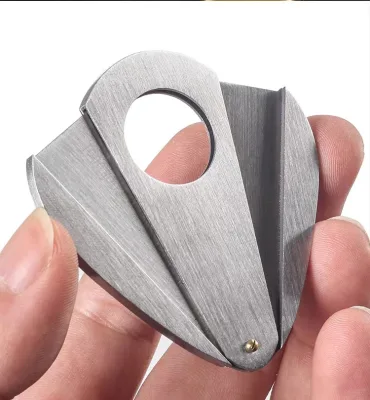
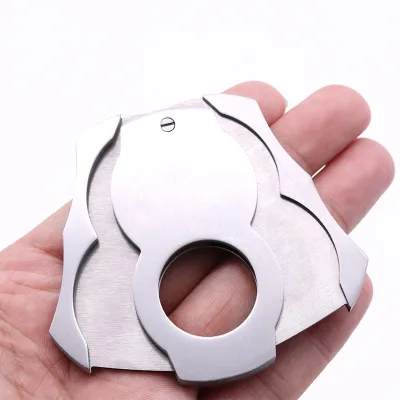

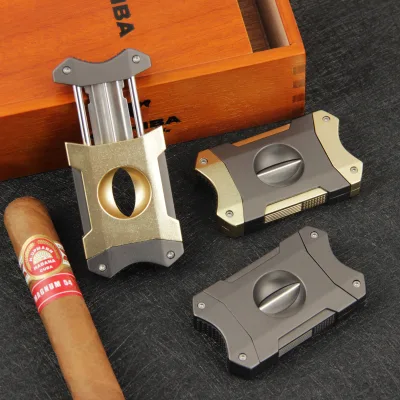
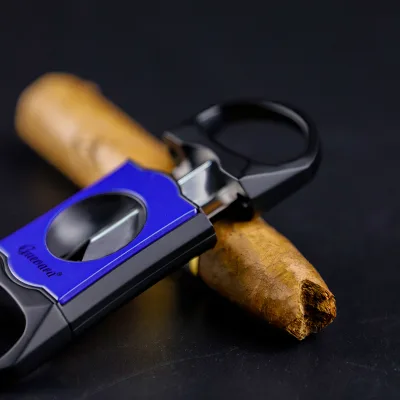



Comprehensive Sourcing Guide
Strategic Sourcing Guide for Premium Cigar Cutters
Understanding the Product Landscape and Technical Specifications
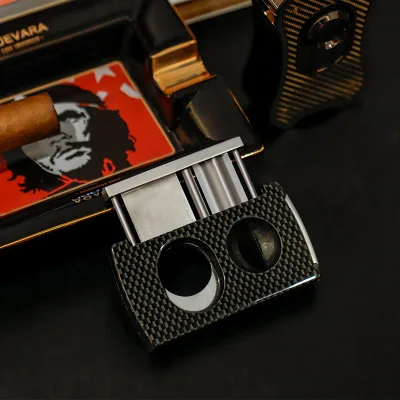
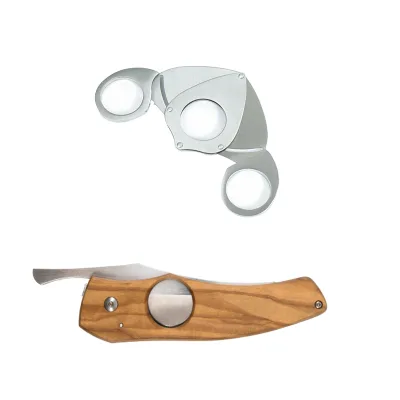
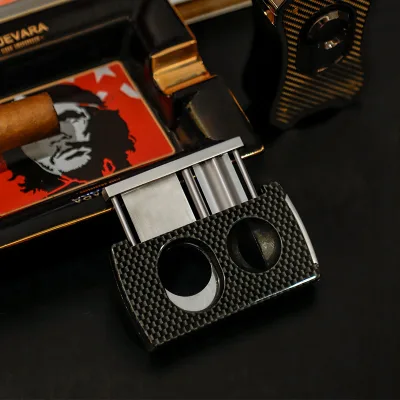
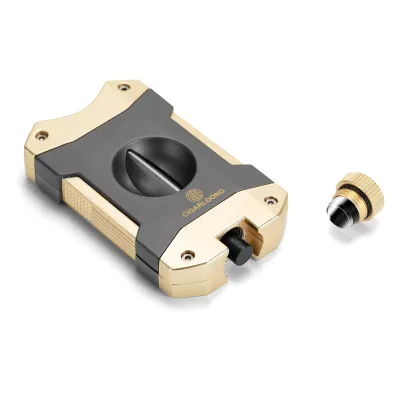
The market for cigar cutters designed for aficionados presents a diverse array of options, ranging from functional tools to luxury decorative items. When sourcing these products, buyers must first distinguish between the primary functional categories and the secondary decorative or promotional variations. The core technical specifications for a high-performance cutter often center on the blade mechanism and the material composition of the cutting head. In the current supply landscape, materials such as carbon fiber and zinc alloy are prominent. Carbon fiber is frequently highlighted for its application in luxury cutters, offering a lightweight yet durable structure that appeals to high-end users. Conversely, zinc alloy cutters provide a robust, heavy-duty alternative often utilized for promotional gifts or souvenirs.
The physical dimensions and weight of the product are critical logistical factors. Observed specifications indicate that single package sizes can vary significantly, with some units measuring approximately 14x9x4 cm. Weight is another defining characteristic; individual gross weights for these items have been observed ranging from 0.200 kg to 0.280 kg. These variations directly impact shipping costs and packaging requirements. Furthermore, the shape of the cutter, whether square or otherwise, influences the ergonomics and the specific cutting style it supports. Buyers should verify that the model number, such as those identified as RAG-5118, RAG-5120, or RAG-5121, corresponds to the specific functional requirements of their target market. The "Single package size" and "Single gross weight" data points are essential for calculating freight charges and determining the optimal carton configuration for bulk shipments.
Compliance, Certification, and Material Standards
When evaluating cigar cutters, particularly those intended for personal use or commercial distribution, understanding the material standards and potential compliance requirements is vital. While specific third-party certifications are not universally listed for every item in the current catalog, the materials used provide a baseline for quality assessment. The presence of carbon fiber and zinc alloy suggests a focus on durability and corrosion resistance, which are inherent properties of these materials. However, buyers must verify if the plating processes used on metal components, such as the "Plated" process noted in supplier data, meet specific safety standards for items that come into direct contact with tobacco products.
The origin of the products is a significant factor in compliance and supply chain transparency. The majority of the observed inventory originates from China, specifically the Guangdong province, a known manufacturing hub for metal and composite goods. This geographic concentration allows for efficient sourcing but requires buyers to conduct thorough due diligence regarding the specific factory's adherence to international trade regulations. The "prod_standard" data, which includes dimensions like 50x50 or 2.4x1.8x0.35'', serves as a reference for the physical tolerances of the product. Buyers should ensure that these standard dimensions align with the expected specifications for their specific application, whether it is for a luxury gift set or a mass-market promotional item.
Furthermore, the customization capabilities of the supplier play a role in compliance. The availability of customization suggests that buyers can request specific branding or modifications. However, any custom branding must adhere to the intellectual property laws of the destination market. If the product is intended for use in regions with strict tobacco control laws, the marketing and labeling of the cutter must not violate local advertising regulations. Buyers should verify that the "Customized" options offered by the supplier do not inadvertently create non-compliant products regarding branding or safety warnings.
Cost Drivers and Pricing Dynamics
The pricing of cigar cutters is influenced by a complex interplay of material costs, manufacturing processes, and order volume. The observed price range in the market spans from $0.38 to $90.89 USD, indicating a vast disparity between basic promotional items and high-end luxury goods. This wide range is primarily driven by the material composition. Carbon fiber cutters, often marketed with a "Luxury" style and "Sharp Blade" feature, command a premium price point due to the cost of the raw material and the specialized manufacturing techniques required. In contrast, zinc alloy cutters, while durable, are generally positioned at the lower end of the price spectrum, making them suitable for high-volume promotional campaigns.
Minimum Order Quantity (MOQ) is another critical cost driver. The observed MOQ range varies from 1 to 500 units, with a specific high-confidence data point noting an MOQ of 48 pieces. This variability allows buyers to tailor their procurement strategy based on their budget and inventory needs. For buyers testing the market or seeking small batches for specific events, an MOQ of 48 or even a single unit is advantageous. However, for large-scale commercial distribution, negotiating a lower unit price through higher volume orders is essential. The packaging method also affects the final cost. Products packed in "OPP Bag" individually versus those packed in "48PCS/Box" with "24boxes/Carton" will have different handling and logistics costs. Buyers must factor in the "21lbs" weight per carton for zinc alloy items versus the lighter carbon fiber units when calculating total landed costs.
Typical Applications and Market Segmentation
Cigar cutters serve a dual purpose in the market: they are functional tools for enthusiasts and versatile promotional items for businesses. The "Usage" attributes observed in the supply data highlight this duality. On the functional side, the primary application is "Cutting Cigar" for "Smoking" and "Travel" purposes. The "Sharp Blade" feature is a key selling point for aficionados who require a clean, precise cut to maintain the integrity of the cigar wrapper. These products are often marketed with a "Luxury" style, appealing to consumers who view cigar smoking as a sophisticated hobby.
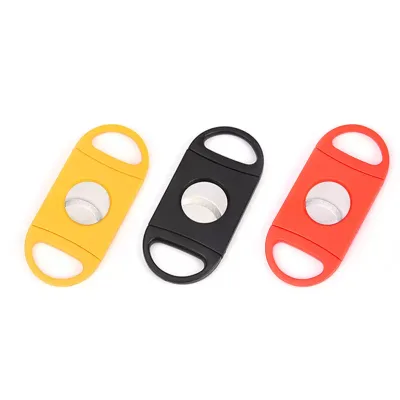
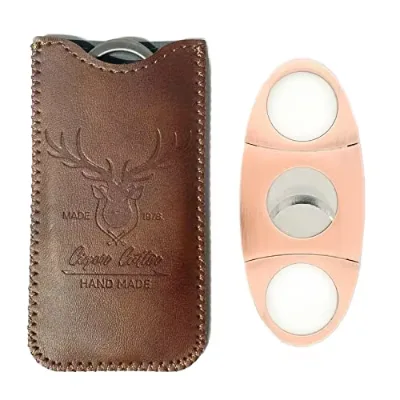
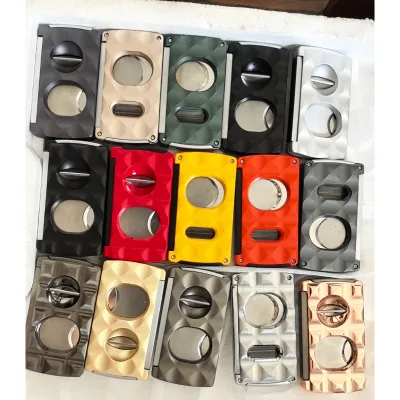
On the promotional side, the versatility of these cutters is extensive. They are utilized as "Personal Decorations," "Promotion Gifts," "Souvenirs," "Home Decorations," and "Commerce Gifts." The data also notes specific holiday applications, such as "Thanksgiving," suggesting that these items are often sourced for seasonal gifting campaigns. The "Type" is broadly categorized as "Decoration," which allows for creative marketing angles where the cutter is presented as a collectible item rather than just a tool. The availability of multiple colors, including "Green," "Red," "Blue," "Black," "Gold," "Silver," and "Vintage Silver," further enhances their utility as branded merchandise. Buyers can leverage these color options to align the product with corporate branding or specific event themes.
Supplier Evaluation and Customization Capabilities
Evaluating a supplier for cigar cutters requires a focus on their manufacturing capabilities and customization flexibility. The "Processing" methods observed include "Machinery" and "Plated" processes, indicating a reliance on automated production lines for consistency and efficiency. The "Customization" attribute is marked as "Available" and "Customized," suggesting that suppliers are willing to adapt products to meet specific buyer requirements. This could include custom branding, unique color combinations, or modifications to the packaging.
When assessing potential suppliers, buyers should verify the consistency of the "Model No." and "prod_model" identifiers. The presence of specific model numbers like "DS-CC" and "OFFE1119" alongside the "RAG" series indicates a structured product line. Buyers should request samples to verify that the "Quality" meets the "High quality" claims often associated with these products. The "Brand name" data, such as "GUEVARA" and "jinlin," provides insight into the existing market presence of the supplier's products, though buyers should be cautious not to assume these are the only brands available.
The packaging capabilities are also a key evaluation metric. The observed packing options range from simple "OPP Bag" to more complex "48PCS/Box 24boxes/Carton" configurations. A supplier's ability to handle different packing requirements can significantly impact the efficiency of the buyer's logistics. Buyers should inquire about the supplier's capacity to handle custom packaging designs, especially if the product is intended for retail display or specific promotional events.
Quality Control and Long-Term Procurement Considerations
Implementing a robust quality control (QC) protocol is essential when sourcing cigar cutters, given the functional nature of the product. The "Feature" of a "Sharp Blade" is a critical quality attribute that must be tested. Buyers should request blade sharpness tests and durability assessments to ensure the cutter performs consistently over time. The "Single gross weight" and "Single package size" data points should be used as benchmarks for QC checks to ensure that the shipped products match the specifications provided in the catalog.
Long-term procurement considerations involve building a sustainable supply chain. The "prod_origin" of China, specifically Guangdong, offers a mature supply chain ecosystem, but buyers should diversify their supplier base to mitigate risks associated with geopolitical tensions or supply chain disruptions. The "MOQ" flexibility observed, ranging from 1 to 500, allows for a phased approach to procurement, where initial orders can be small to test quality and market response before scaling up.
Buyers should also consider the lifecycle of the product. Cigar cutters are durable goods, but the plating and metal components can degrade over time if not properly maintained. Ensuring that the supplier uses high-quality plating processes can reduce the likelihood of returns and enhance customer satisfaction. Additionally, the "Usage" as "Religious Crafts" or "Home Decorations" suggests that the product may have a longer shelf life in inventory compared to perishable goods, allowing for more flexible ordering schedules. However, buyers must remain vigilant regarding the "Holiday" relevance, such as "Thanksgiving," to ensure that inventory levels align with seasonal demand peaks.
Final Procurement Strategy and Verification
In conclusion, sourcing cigar cutters for aficionados requires a balanced approach that considers technical specifications, material quality, and market application. The wide price range and diverse material options allow buyers to target various market segments, from budget-conscious promotional buyers to luxury enthusiasts. By leveraging the observed data on dimensions, weights, and packaging, buyers can optimize their logistics and cost structures. The availability of customization and the structured model numbers provide a foundation for building a unique product offering.
Buyers must remain diligent in their verification processes, ensuring that all claims regarding quality, material, and performance are substantiated through sample testing and supplier audits. The continuous monitoring of market trends and supplier capabilities will be essential for maintaining a competitive edge in the cigar accessory market. By adhering to these evidence-based guidelines, buyers can establish a reliable and efficient procurement strategy that meets the diverse needs of the aficionado market.
FAQs
What materials are used for cigar cutters?
Cigar cutters are primarily made from carbon fiber and zinc alloy. Carbon fiber offers a lightweight luxury feel, while zinc alloy provides a robust option suitable for promotional gifts and souvenirs.
Can I customize the cigar cutters for branding?
Yes, customization is available for these products. Buyers can request specific branding or modifications, though any custom branding must adhere to intellectual property laws in the destination market.
What is the minimum order quantity for these items?
The minimum order quantity ranges from 1 to 500 units, with a specific high-confidence data point noting an MOQ of 48 pieces. This flexibility allows buyers to test the market with small batches.
Where are these cigar cutters manufactured?
The majority of the observed inventory originates from China, specifically the Guangdong province. This geographic concentration supports efficient sourcing but requires due diligence regarding factory adherence to trade regulations.
How are the cigar cutters packaged for shipment?
Packaging options vary from individual OPP bags to bulk configurations like 48 pieces per box. Some cartons weigh up to 21 pounds, which impacts shipping costs and logistics planning for bulk orders.
What are the typical applications for these cutters?
These cutters serve dual purposes as functional tools for smoking and promotional gifts. They are used for personal decorations, home decor, and as souvenirs for holidays like Thanksgiving or corporate events.